Functional Neurofeedback
Functional Neurofeedback is a non-invasive, drug-free brain training approach that uses real-time feedback to help your brain learn healthier, more regulated patterns—supporting emotional resilience, mental clarity, and nervous system regulation.
Understanding the Science of Healing
Neurofeedback operates on the principle of operant conditioning, providing the brain with real-time visual or auditory cues about its own electrical activity. By witnessing these patterns, the central nervous system learns to self-regulate, moving away from dysregulated states and toward a more balanced, resilient equilibrium.
This methodology is deeply rooted in neuroplasticity—the brain's inherent ability to forge new neural pathways throughout life. As training progresses, the brain adopts these healthier rhythms as its new baseline, often resulting in lasting improvements in emotional stability, cognitive focus, and overall vitality.
Neuroplasticity & Regulation
The brain possesses a remarkable ability to reorganize itself by forming new neural connections. Neurofeedback leverages this inherent neuroplasticity to encourage the brain to find more efficient paths, moving away from loops of anxiety or fatigue and toward calm, focused regulation.
Quantitative Brain Mapping
Our methodology begins with advanced qEEG assessments. By measuring electrical activity across various cortical regions, we identify specific patterns of over-arousal or under-arousal. This objective data serves as the foundation for your personalized brain-training curriculum.
Sustained System Balance
The core of healing lies in autonomic nervous system stability. By providing real-time rewards for balanced brainwaves, the brain shifts into a state of 'flow.' Over time, these temporary improvements become permanent traits, leading to enhanced emotional resilience and mental clarity.
Our Process in Photos


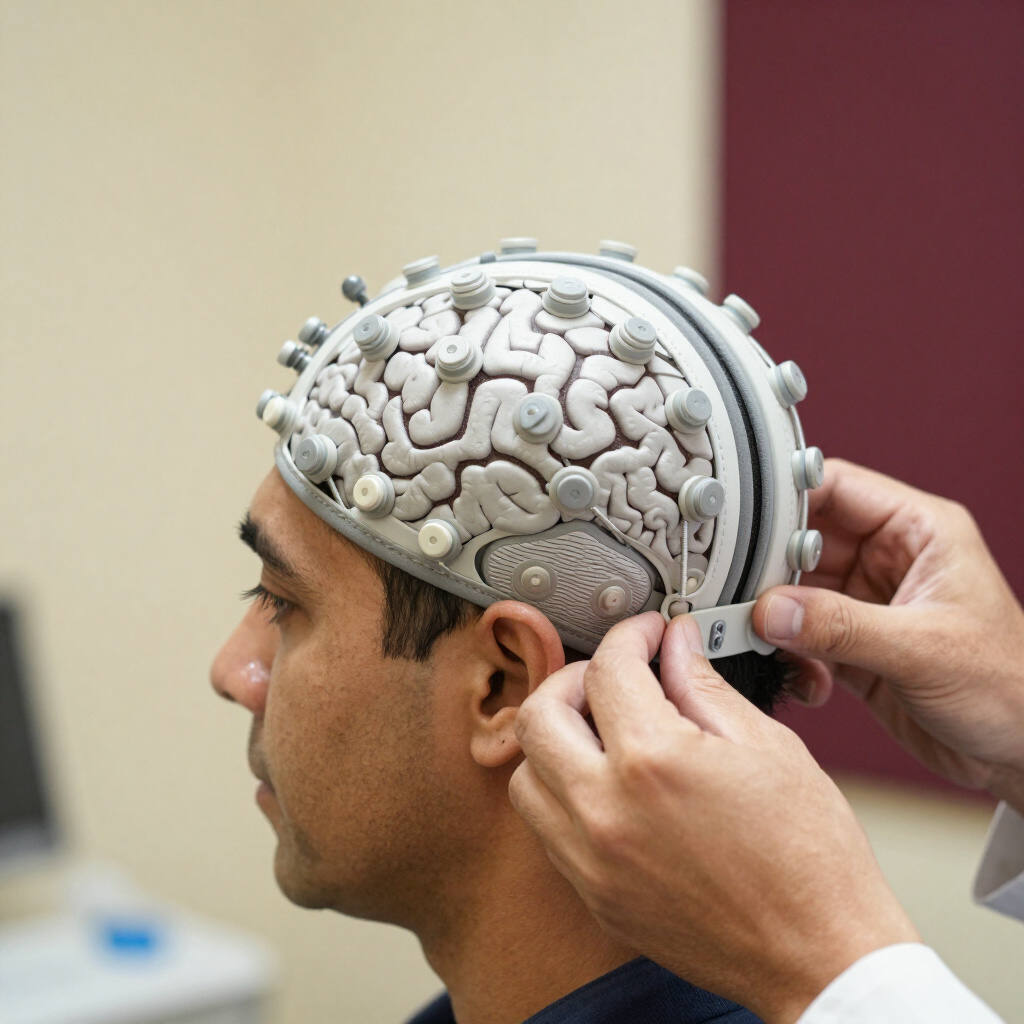
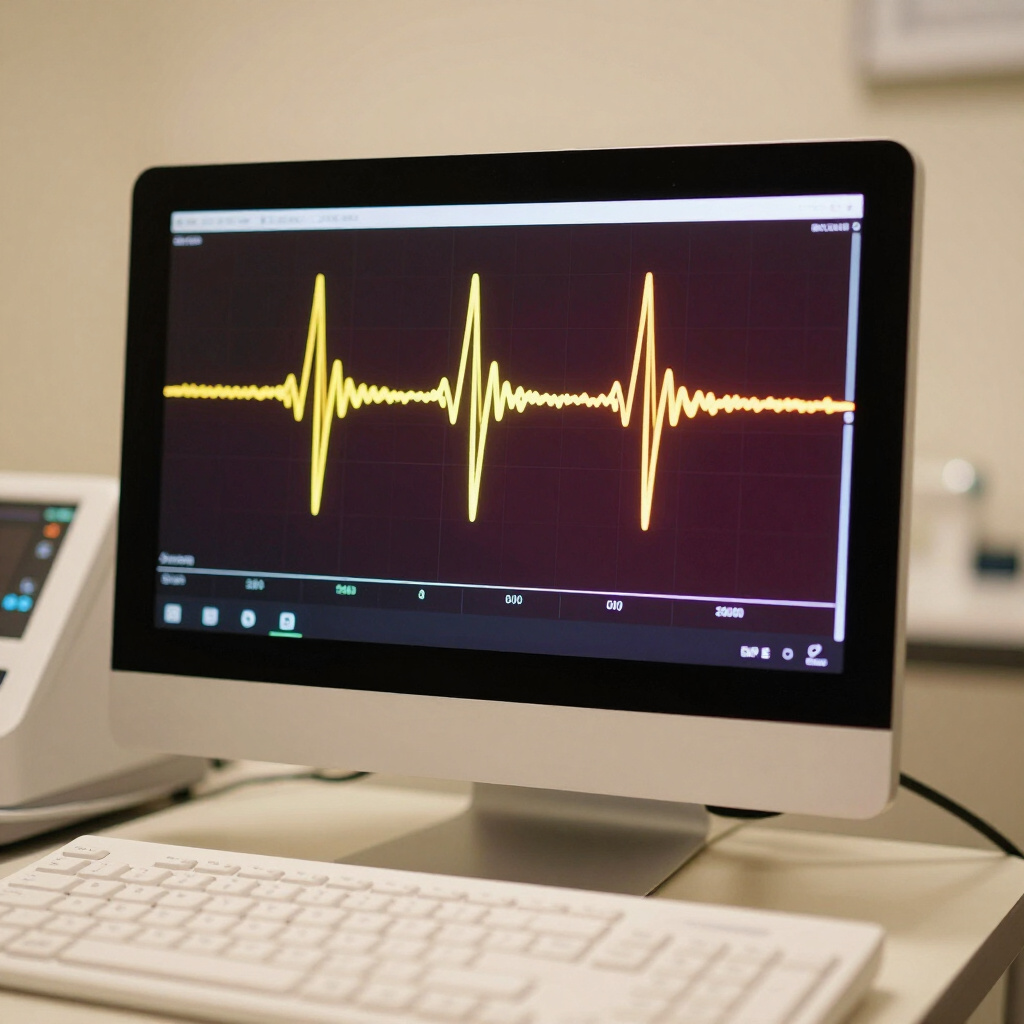
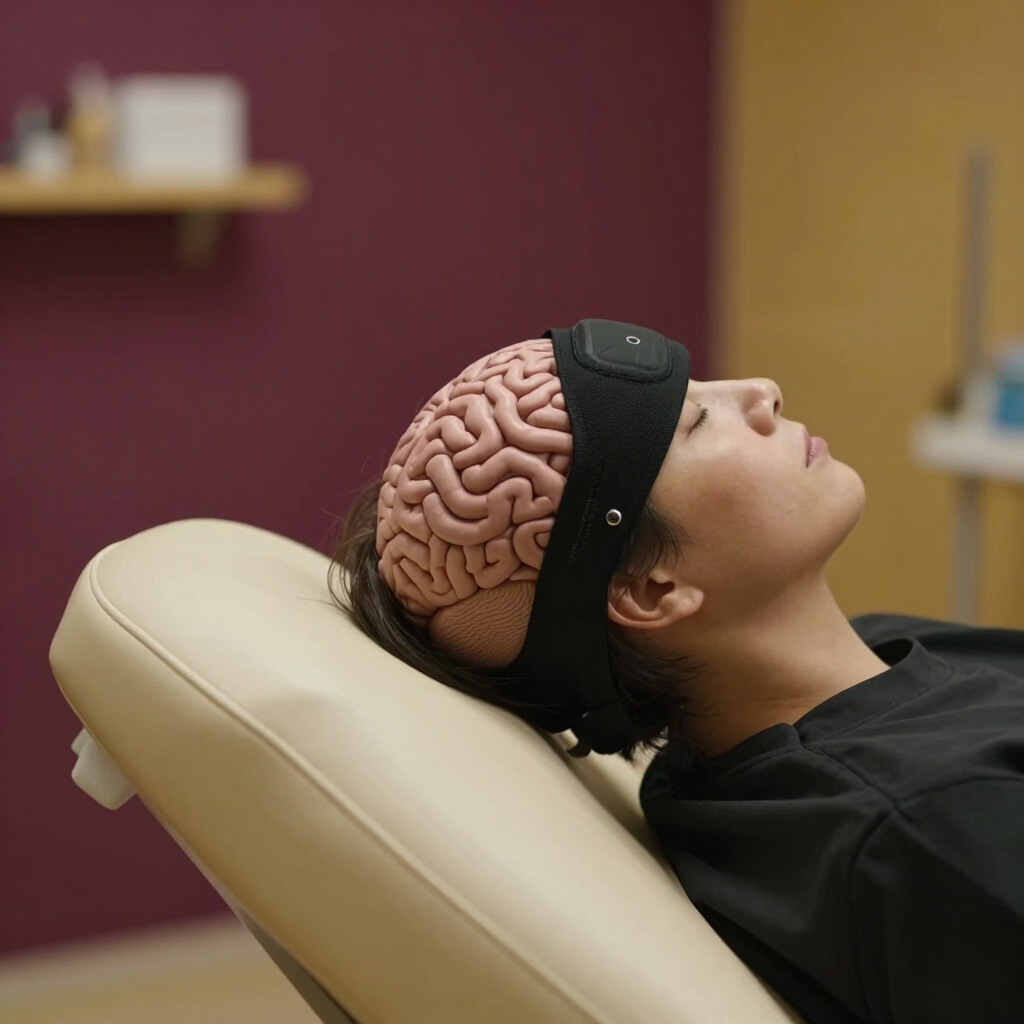
We offer flexible payment options to ensure our rehabilitative services are accessible to all clients. In-home neurofeedback testing and virtual neurofeedback assessments may also be available for qualifying clients.
Clinical Assessment Tools
Attention
Ability to pay attention, select a pattern or process in your environment and follow it over time.
Auditory Working Memory
Memory used to remember and work with information that you hear.
Episodic Memory
Ability to hear a story or event and retain key features for future use in solving problems.
Short Term Memory
Capacity for holding a small amount of visual information in mind for a short period of time.
Sequential Memory
Ability to remember and recall a sequence of objects and/or events in the correct order.
Filtering
Ability to sort through information, filter what is not important, and focus on key features of a task.
Auditory Short Term Memory
Capacity for holding a small amount of auditory information in mind for a short period of time.
List Acquisition
Working memory for academic performance in both verbal and mathematical realms of learning.
Spatial Sorting
Ability to observe objects and patterns, retain them in working memory, and recall them.
Working Memory
Small amount of information that can be held in mind and used in the execution of cognitive tasks.
Executive Function
General functions including goal directed behavior, organizing, planning and decision making, shifting sets or categorization, and impulse modulation.